

TB Editorial Response Group
A 90-day working group
You have the science.This is where you learn to publish in the world’s most influential platforms.
A small, coordinated group of TB researchers and advocates learning to place op-eds in the outlets that shape funding and policy — with hands-on support from Paul M. Jensen and Dr. Paula Fujiwara from first draft through publication.
Those of us working in TB have never seen a moment like this.
In just the past few weeks:
The New England Journal of Medicine's editorial board warned that a proposed OMB rule will severely disrupt TB research.
ProPublica reported that TB funding already appropriated by the United States Congress is being held up.
The US government signaled it intends to end PEPFAR support in South Africa.
Each of these is a story the public hasn't fully heard yet — and each is an opening to make the case, in public, to the people who decide what happens next.
Here's the problem: the TB field has more good science than it has audible voices. This group exists to change that, starting now.
The opportunity
Even a dozen new thought leaders wouldn't move the needle if each worked in isolation. The strategy that works now — when AI is flooding every channel with content and trust in institutions is low — is to build the skill and coordinate the effort, so contributions compound instead of scatter.
Not 5 + 5 = 10. Closer to 5 × 5 = 25.
That's the difference between individual op-eds and an editorial engine: a group that shares insights, co-authors, sources each other, and times its pieces to reinforce the advocacy already underway. You could learn to write an op-ed alone. You can't build that engine alone.
The most strategic approach to thought leadership in any public health or scientific community right now is to:
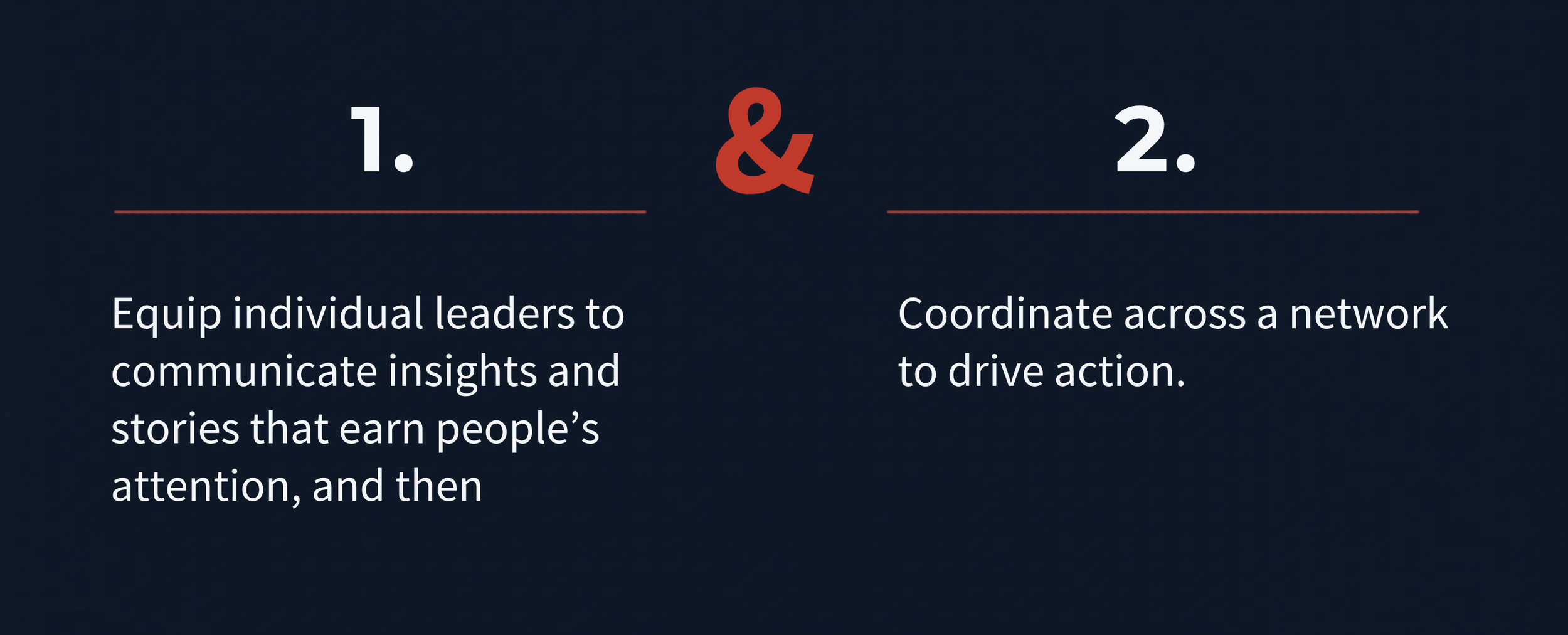
This strategy would turn what we have now, which is disjointed, individual, and fairly modest thought leadership activities, into a powerful thought leadership engine built to advance progress against TB.
Across the TB community, we see a deep, deep well of valuable insights, moving stories, and bold points of view–with new research and truly exciting innovation happening every day. These are the nuts and bolts of a powerful thought leadership engine.
What is the TB Editorial Response Group?
You have ideas that could shape TB policy, attract funding, and build your profile. The gap between having them and publishing them in outlets that matter is exactly what this program closes.
The TB Thought Leadership Working Group is like an editorial council. It is a working group of established and emerging leaders in TB who are committed to building a shared practice and a shared platform for high-impact thought leadership.
The group will receive high-level guidance and coaching:
We place equal emphasis on thought, where we help participants surface their personal insights, stories, and points of view.
And leadership, where we support participants to step into more visible, public-facing roles.
We then support each other by coordinating efforts to convert that attention into progress against TB. We can prepare a pipeline of op-eds to compliment and amplify the work your organizations are already doing.
Objectives
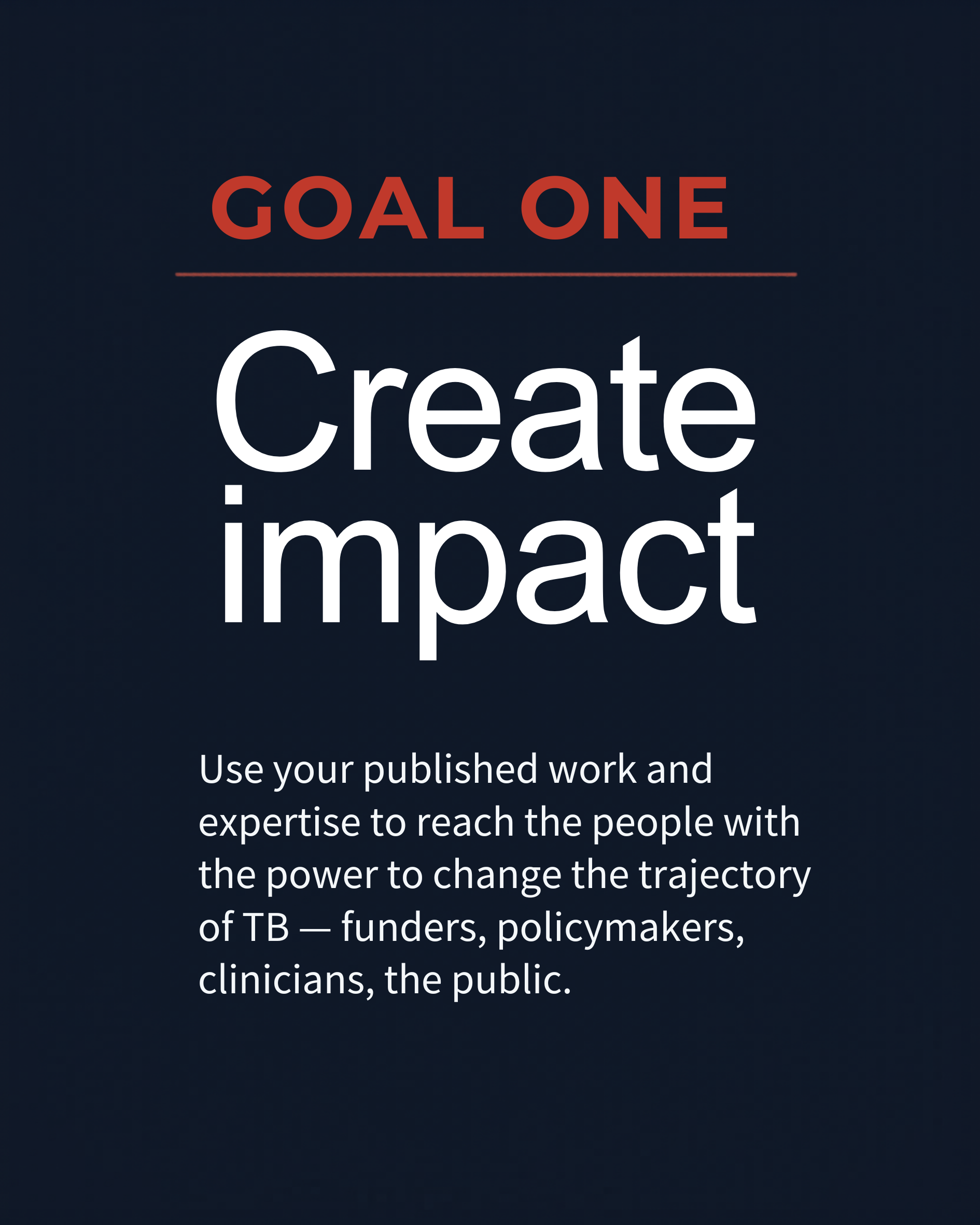
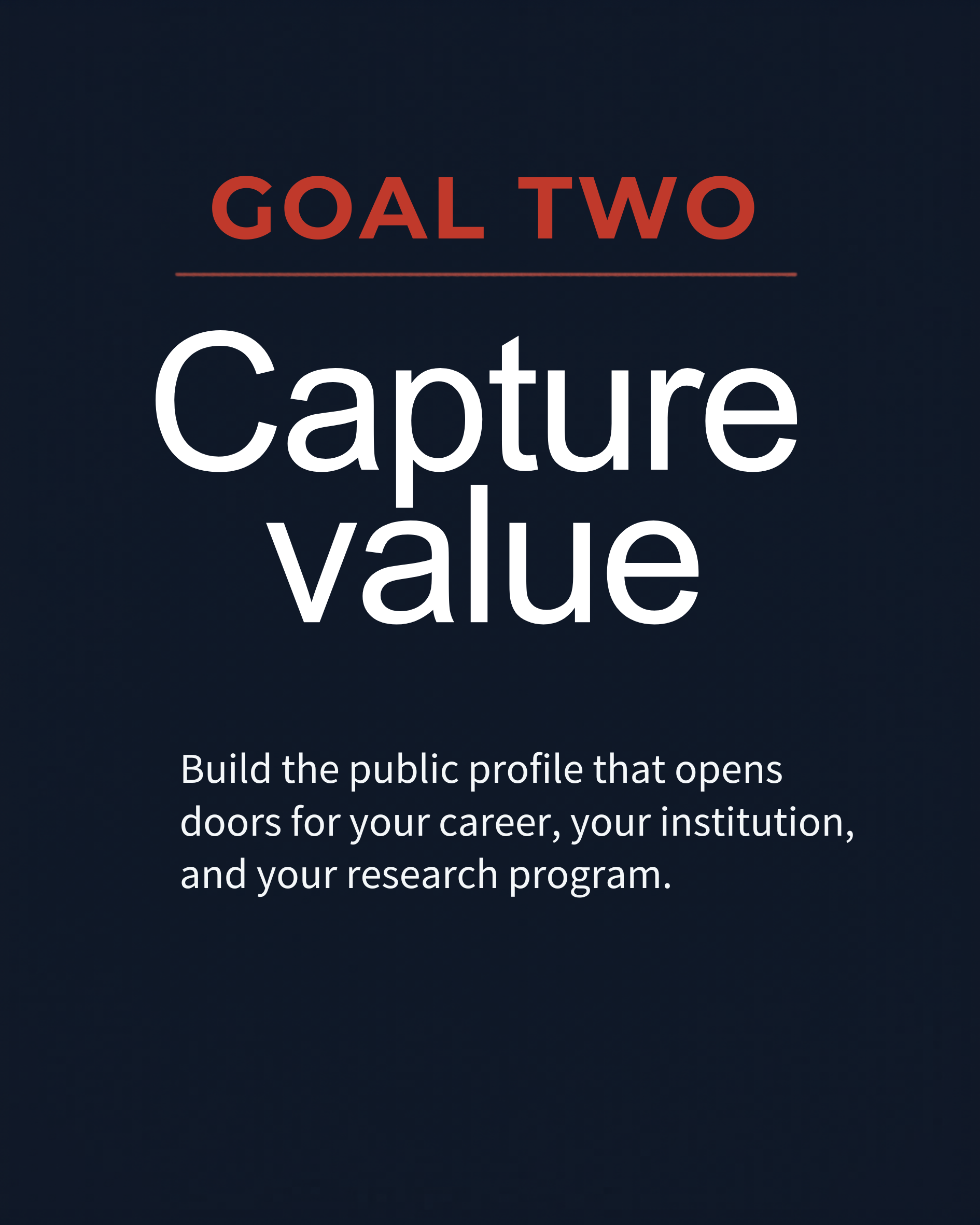
We have two objectives for every participant. To support them in building capabilities to:
How are they different?
Creating impact means using your published work and expertise to reach the people with the power to change the trajectory of TB: funders, policymakers, clinicians, the public.
Capturing value means using thought leadership to advance your own organization as well as your personal professional aims. Building a public profile can open doors for your career, and your research program.
Both are equally essential. To be effective, we need to show impact. To be sustainable, we need to ensure participation is a valuable investment.
What we will do in the live 1-hour sessions includes strategic skills-building, actual work, and peer exchange, focused on translating your expertise, findings, and experience into visible thought leadership that moves people.
We’ll assemble the first working group with a mix of people who can bring perspectives from different vantage points. We’ll select not for age or seniority or organizational function, but for people who have a point of view and want to use it to drive progress toward ending TB. By having a mix of executives, scientists, survivors, professional advocates, early-career researchers, program people, we’ll create a supportive space for cross-functional, even inter-generational learning.
The outcome is more visible TB thought leadership, and more impact from TB thought leadership.
Who it’s for
This group is designed for established and emerging TB leaders who:
Have important things to say — in research, policy, clinical practice, or advocacy – but haven't had the skills, strategy, or institutional support to communicate at a high level.
Want to communicate more strategically, not just more often, and build an international profile that matches the quality of their work.
Are ready to invest in building a genuinely new capability.
Believe the TB community needs better coordination and amplification of high-quality public communication.
Want to work inside an intentional structure with collaborative energy and expert facilitation.
Why Op-Eds, specifically
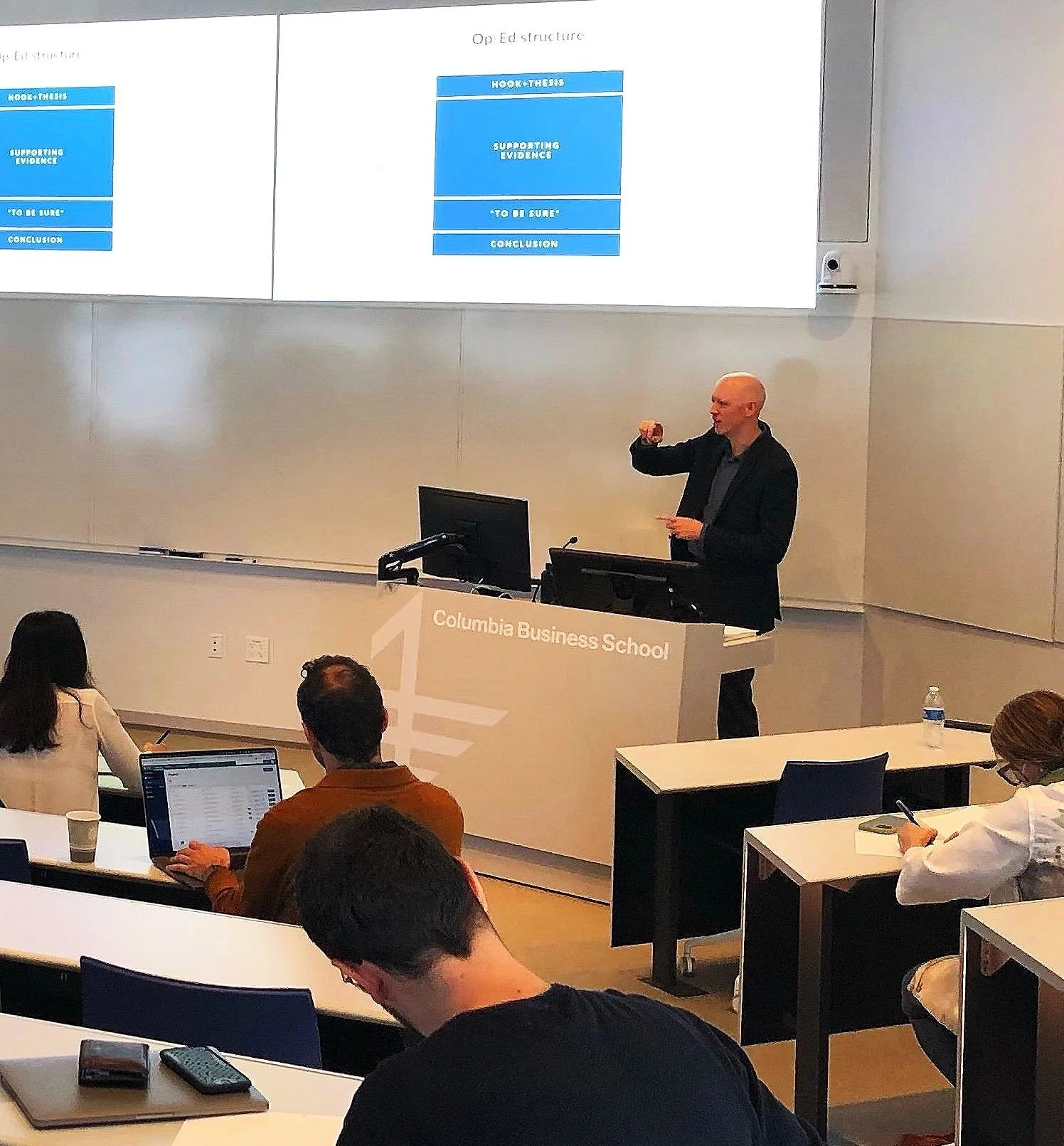
A journal article reports findings to other scientists. An op-ed does something different: it takes the “so what” of those findings — and puts it in front of the ministers, the funders, the editors, and the public who shape what happens next.
Most scientists never write op-eds — not because they have nothing to say, but because nobody taught them how. It's a learnable skill, and this group teaches it practically, not theoretically.
An op-ed published in a credible news outlet is among the most powerful tools available to a scientific leader.
AND …
The value of credible editorial placement has quietly increased in the age of AI search.
When people ask ChatGPT, Gemini, or Perplexity about TB, drug-resistant TB, or global health funding, those systems lean heavily on commentary from credible news outlets. According to Muck Rack's July 2025 analysis of over a million AI citations, journalistic sources accounted for roughly 49% of citations on recency-driven questions — with outlets like Reuters, the Financial Times, and Forbes consistently among the most cited.
Publishing in the right outlet is no longer only a reputational play. It's how your ideas enter the information systems your stakeholders now use to form their views.
Work with leading Op-Ed experts in health & science
For 15 years, our team has published hard-hitting Op-Eds for health & science leaders:
Directors and Surgeons General
Heads of state
Fortune 100 CEOs, CXOs and board chairs
Start-up founders
Government officials overseeing health & science policy
UN & agency leaders
Academic faculty and a Nobel laureate
And early-career researchers
No, you don’t have to be well-known to break through and get published.
The opinion desks we target want the most valuable viewpoints: bold, unconventional, disruptive. Each op-ed you publish becomes an asset — a way to cast a vision, and to build relationships with the action-oriented people who become your partners, allies, and biggest supporters.
You can request a link to our Op-Ed Portfolio here.
Op-Eds are the most powerful medium you’re not using.
The opinion platforms we target want the most valuable viewpoints: bold, unconventional, disruptive, contrarian. Viewpoints that demonstrate real leadership that changes how we think about the most important issues that impact all of us.
Each Op-Ed you publish is an asset for casting a vision of how the world can be different. Op-Eds help you build relationships with passionate people who have a bias toward action. People who can become your partners, allies and biggest supporters.
What members get
DURATION: 90-days, upcoming start date TBD.
SESSIONS: Ten 60-minute Thursday sessions (1:00pm EDT), combining strategy, drafting, and peer review — so you leave each session with concrete progress, not homework bloat. Recordings provided if you can't attend live. Plan for a few hours of writing per week to get the most out of it.
SIZE: No more than 10 participants, curated for complementary vantage points across research, policy, clinical, advocacy, and lived experience.
COACHING: Hands‑on editorial support from Paul M. Jensen and Dr. Paula Fujiwara from concept to publication: angle selection, outlet mapping, pitch development, revisions, and post‑publication amplification. Plus stress resilience and personal coaching from Carolyn Barnwell: sharing bold points of view on visible platforms can be stressful, and Carolyn helps you build the confidence and capacity to handle greater visibility with steadiness and agility.
OUTPUT: A coordinated editorial pipeline and a shared insight bank that fuels co‑authored pieces, source quotes, and peer review across the cohort.
What You’ll Do — Not Just Learn
We’ll teach you the exact approach we use to consistently publish Op-Eds in the world’s most visible and respected media outlets, including how to:
Tell the difference between op-ed ideas that will land and ones that won't — before you waste time on them
Build an op-ed from your latest research, older work, or even someone else's research
Decide quickly where to pitch for maximum reach
Write pitch subject lines that get opened, not deleted
Pitch with a strategy that moves editors to yes
Promote and disseminate each piece after publication
Use published op-eds to book meetings, calls, and interviews with news media and on podcasts — and to strengthen advocacy campaigns and grant applications
Our goal is to place as many op-eds from the cohort as possible.
We back the program with a straightforward guarantee: at least one op-ed published in an agreed-upon outlet within the 90 days — or we keep providing editorial support until it's placed.
Your 90-day
roadmap to
catalytic
communication.
Crystallization
Define your unique argument, identify the audiences who need to hear it, and confirm your institutional communication parameters before a word is drafted.
& Review
Write and workshop your first complete op-ed draft using the group's structured editorial framework. Peer review is built into the session itself.
Submission
Send pitches to target outlets with a polished, submission-ready draft. This is the moment your work goes public — so we build in stress-resilience coaching alongside the editorial push.
Quote Banking
Work through editorial revisions toward publication. Extract quotable lines and findings to build a shared resource the full group can draw on for media and speaking opportunities.
& Amplification
Turn published piece(s) into sustained influence. Build your dissemination plan and delegate amplification tasks.
Meet your facilitators
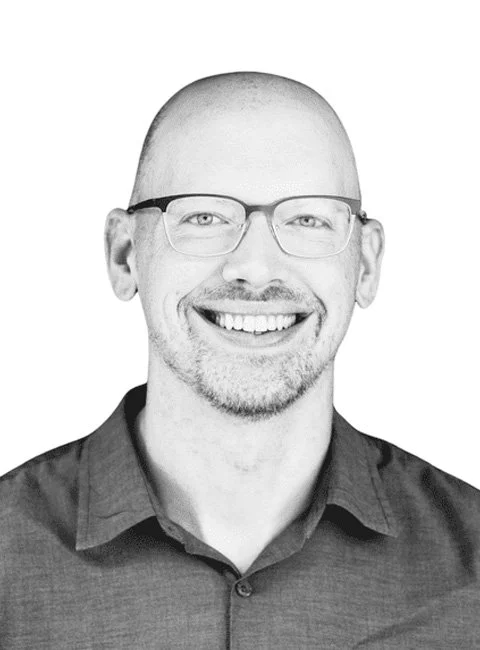
Paul Martin Jensen
Co-Founder & CEO, Etalia | former Director of Policy & Strategy, The Union
Paul has spent 25 years in TB and global health — at The Union, ACTION, and consulting for leadership of the Stop TB Partnership, WHO, and the World Bank — helping drive more than $1 billion in funding for TB research and interventions.
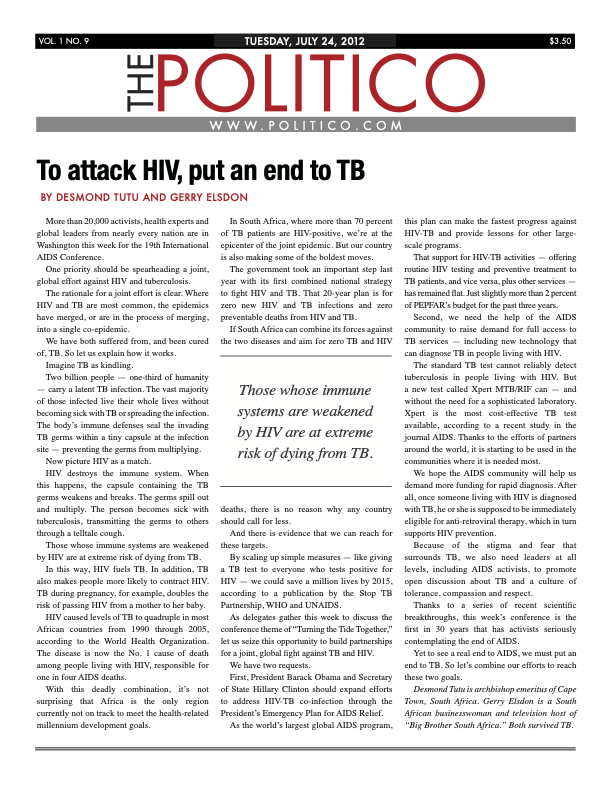
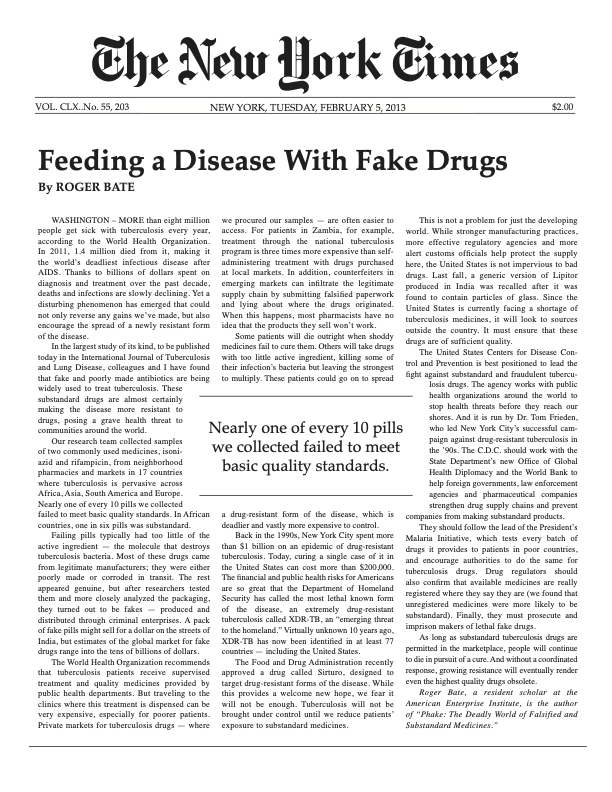
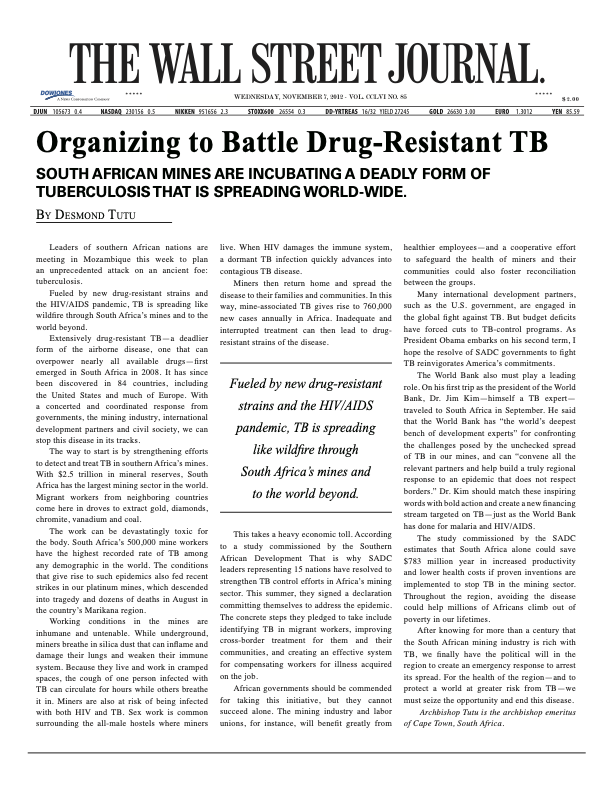
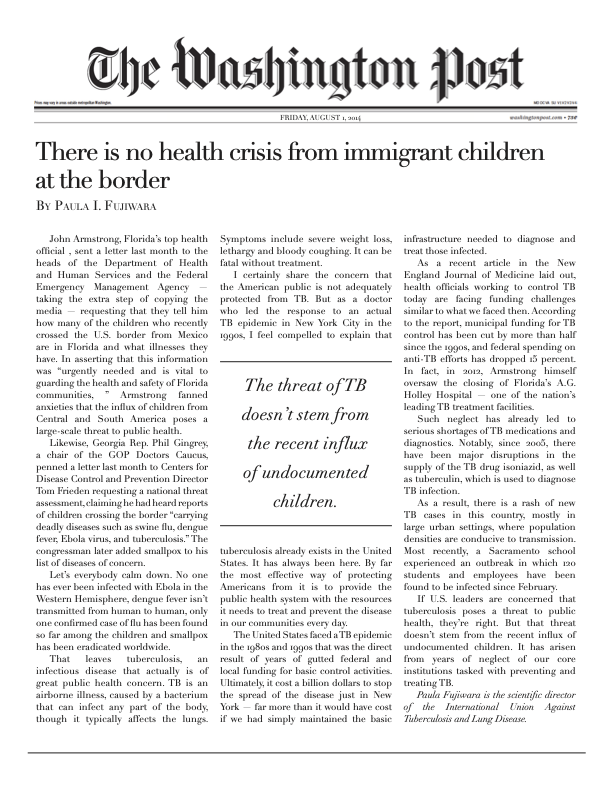
He has worked with hundreds of researchers, advocates, and institutional leaders across dozens of countries, helping them place their ideas in the outlets that shape the field. His placement record includes the New York Times, The Guardian, Financial Times, Wall Street Journal, Washington Post, BMJ, STAT, Politico, Devex, Health Affairs, and more than 20 other outlets across the US, UK, EU, Africa, and Asia.
Paul is lead writer of the Global Plan to End TB and is profiled in the textbook Global Health 101.
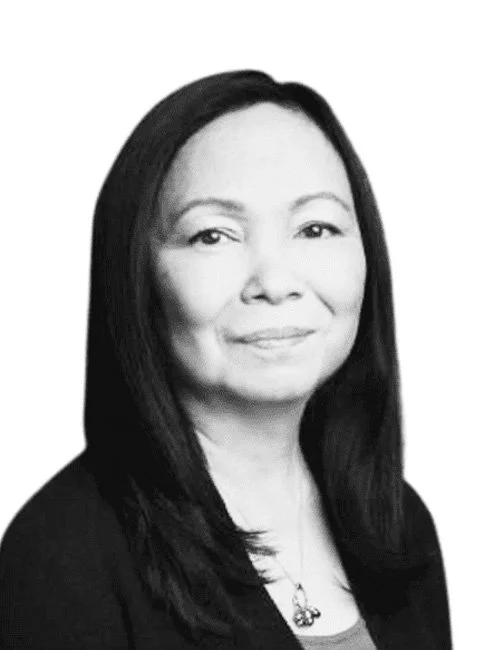
Dr. Paula Fujiwara
Scientific Advisor, Etalia | former Scientific Director, The Union
Paula brings more than 30 years of TB research and clinical leadership to the working group. As a CDC medical officer seconded to New York City's Bureau of TB Control, she led efforts that reduced TB cases by more than two-thirds and nearly eliminated MDR-TB in the city.
She then spent 20 years at The Union in Paris, including eight years as Scientific Director, overseeing technical programs across Africa, Asia, and Latin America. She has served on WHO technical advisory committees, the Global Fund board, and the Stop TB Partnership Board Executive Committee, and chaired the task force that produced the last three editions of the Global Plan to End TB. She consults for USAID, the Stop TB Partnership, and other leading global health organizations.
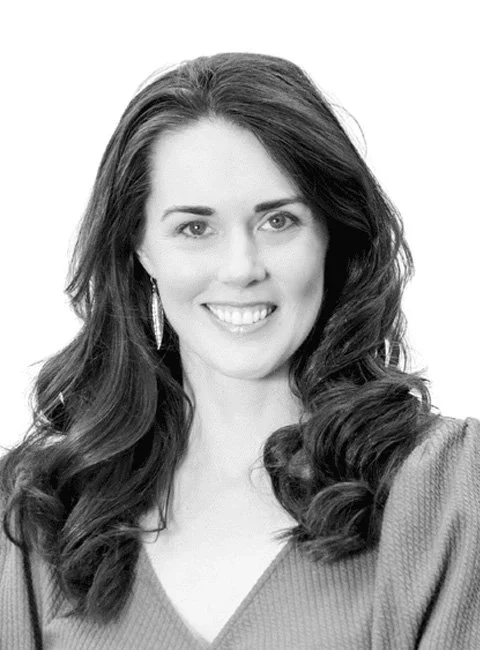
Carolyn Barnwell
Co-Founder and Chief Growth Officer, Etalia | former science communications trainer and impact producer, National Geographic
Carolyn Barnwell brings more than two decades of experience across science storytelling, filmmaking, and leadership development. Her work focuses on helping scientists, executives and founders build the internal foundation that high-stakes visibility requires. She has supported leaders from Adobe, NASA, LinkedIn, TED, Dana-Farber Cancer Institute, Accenture and Dartmouth Health.
Previously, Carolyn was the global Head of Production at the impact agency GROUND in Washington, D.C., and a staff producer at National Geographic, where she created its first digital series featuring scientists and researchers. She went on to produce films for the World Bank, Global Fund, Biden Cancer Initiative, and philanthropists. Carolyn was also a trainer in the Sciencetelling™ Bootcamp for researchers and conservationists around the world. She also enjoys storytelling through voice acting and has clients such as Johnson & Johnson, the American Chemical Society, Massachusetts Audubon, the Harvard Chan School of Public Health, The Union, and Patient First.
Investment
Hiring a PR firm to ghostwrite a single op-ed starts at $5,000 with no placement guarantee — and runs $25,000 or more when you want the outlets that actually move policy. Most won't touch op-eds for the scientific community at all, saying “it’s too hard.”
Working directly with us on a done-for-you basis with pitching and placement costs up to $55k for a single op-ed. This program gives you the same expert guidance, editorial coaching, and placement strategy — in a cohort of peers — for $5,000. That’s 90% of the result at a fraction of the cost.
This group also gives you something more valuable than a ghostwriter: the ability to generate, pitch, and place your own op-eds — with expert editorial coaching at every step from Paul Jensen, who has a 100% placement rate for health and life-sciences Op-Eds in outlets such as the New York Times, The Guardian, the Financial Times, and 20+ others. You leave with a published piece, a repeatable process, and a voice that no agency or AI can replicate.
The founding cohort investment: $5,000 pay-in-full, or two installment payments of $2,750.
Please note: We want this to be accessible to as many voices in the TB community as possible. We know that funding constraints are real — particularly for advocates, independent researchers, and those working in under-resourced settings. We're offering custom terms on a case-by-case basis so that budget is not the reason anyone interested sits this out.
To discuss terms, contact Paul directly here.
You've read this far because you already know the science isn't the problem. The problem is how few people with something worth saying ever get the chance to say it where it lands.
And the window is open right now. The OMB rule, the funding held up, PEPFAR — these stories are live, and the field's voice on them is being written this year, with or without you in it. You have the science and the standing. What's missing is the platform and the coordination to use them.
That's what this group builds. There’s no better time to join this curated founding cohort.