

Op-Ed Bootcamp
for Nonfiction Authors
A published op-ed changes who comes looking for you.
Most authors never write op-eds because nobody taught them how. It is a learnable skill, and the bootcamp is designed to teach it — practically, not theoretically. Join us for a live program to learn how to get an idea from your book into a major publication, and get ready for what happens after it runs.
Led by Paul Martin Jensen and Carolyn Barnwell. [Dates] · [Format] · [Cohort size] ·
The diagnosis
You wrote a book. That took solitude, and probably years, and the freedom to go back and fix any sentence that wasn't right yet. Nobody watched you do it. Nobody could see the eleven drafts you threw away.
Now consider what an opinion editorial (op-ed) asks of you.
Seven hundred words. One claim, stated plainly enough that a stranger can disagree with it. It has to be unique and timely and written from YOUR personal point of view for an editor to put it at the top of their list.
It runs on a Tuesday and it is permanent by Wednesday. Then a producer emails asking you to defend the argument out loud, in eight minutes, without notes, to an audience that has not read your book.
Every one of those conditions is the opposite of the conditions you write in.
This is why so many serious authors, people with genuinely original ideas, never place a piece. Their ideas are certainly good enough, but nobody ever taught them the op-ed craft, and “being a writer” doesn't transfer automatically into this highly competitive medium.
Three places it breaks
We've watched this process fail in the same three spots for fifteen years.
1. Before you write
You have two versions of what you think. The real one, and the one you'd say on a panel. The panel version is safer. It is also the version most first drafts are based on, and editors will quickly move on to the next. They aren’t buying provocation. An op-ed that won't commit to an argument has no reason to exist, so it gets declined, and the author concludes their idea wasn't strong enough. Or, you write a solid argument, but you can’t defend it in a unique or timely way.
2. When you send it
This is the moment nobody talks about. The draft is good. And then it sits, and you open it again, and you soften one line. Then another. Maybe you add a few hundred words making additional points. A week goes by. From the outside this looks like perfectionism, or being busy. It isn't either. Putting a claim under your own name in front of a hundred thousand strangers is a genuinely exposing thing to do, and your body knows it.
Many people who fail to publish fail here because of the resistance they feel.
3. After it runs
Your op-ed gets picked up. A podcast books you. Someone with a large following restates your argument incorrectly and adds an insult. A conference invites you to sit on a panel next to someone who disagrees. You are now doing your work live, without revision, which is a condition that’s far outside of your comfort zone. It’s stressful, so you sit back and stop trying to use the op-ed to open doors.
What is the Op-Ed Mastery Bootcamp?
On our live calls, the group will receive high-level guidance and coaching:
We place equal emphasis on thought, where we help participants surface their personal insights, stories, and points of view.
And leadership, where we support participants to use their op-ed to open doors and step into more visible, public-facing roles.
We could draw out this program over months, but it’s more valuable to you to jump in bootcamp-style and be writing and pitching your piece as quickly as possible. You get insider knowledge on how to write and pitch an outstanding op-ed, and you get to execute and submit your drafts for feedback on our live group calls.
[Number of weeks, how many live calls, weekly time committment, whether sessions are recorded, what happens if you miss one, refund policy, whether any 1:1 time is included]
Why the two parts of this class belong together
There's a version of this class that only teaches craft: structure, pitch, peg, editor psychology. It would be a good class. But the physiological work is upstream of the sentence, which puts it upstream of the pitch, which puts it upstream of everything you actually want.
Editors and readers are sorting for writing that reads as unmistakably human, and conviction is the signal. It shows up in the body before it shows up in the prose.
We like to say that communication starts with an audience of zero. Your “inner work” will help you enjoy going farther after you publish rather than needing to recover from an overload of stress.
That's why Paul teaches the craft and Carolyn teaches optimizing the experience, in the same six weeks.
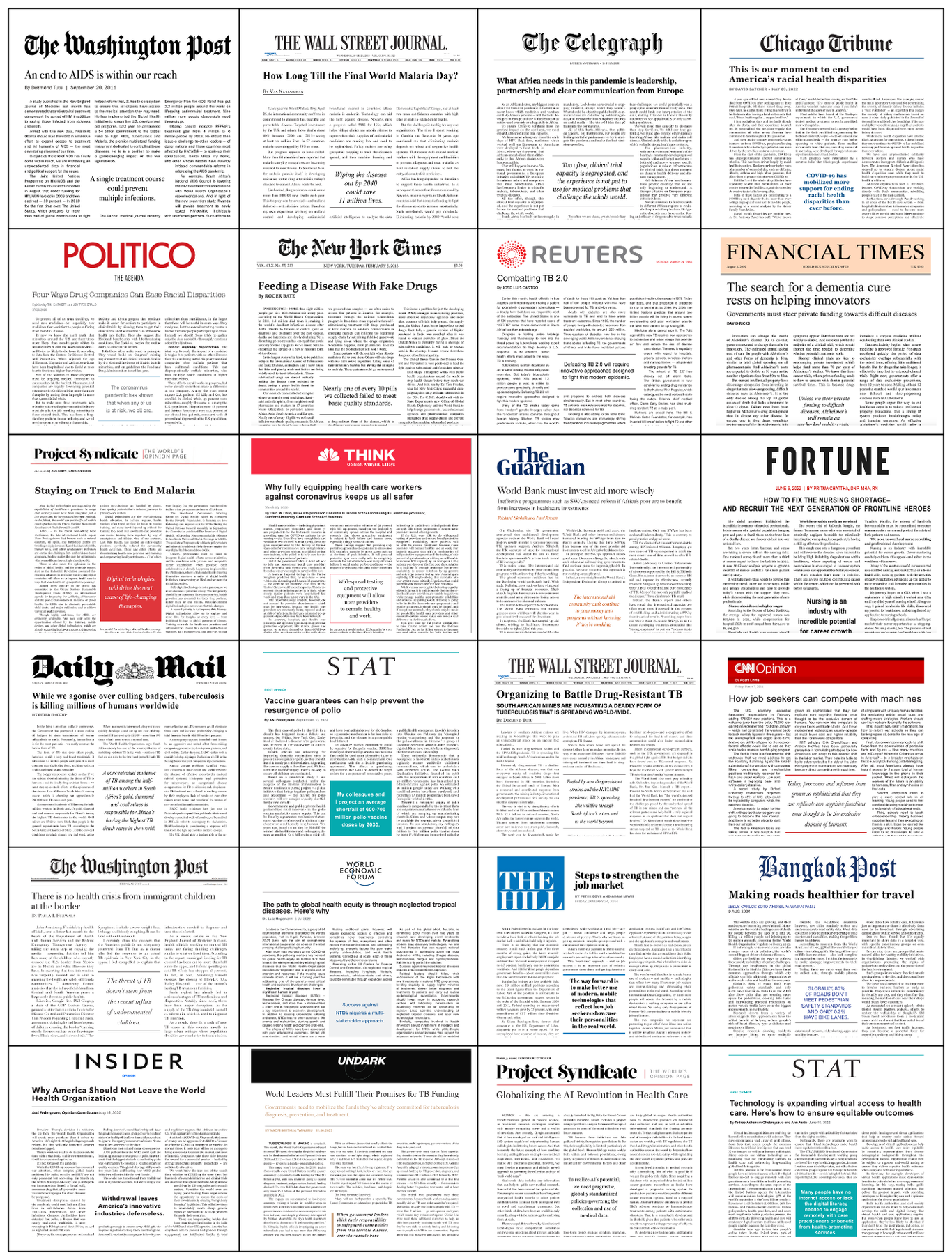
Request the password to check out our full op-ed portfolio here.
What We’ll Teach You
We’ll teach you the exact approach we use to consistently publish Op-Eds in the world’s most visible and respected media outlets, including how to:
Surface your deep insight and conviction:
Find the publishable idea inside your book, which is rarely the thesis and often something you buried in chapter six.
Avoid wasting time:
Tell a publishable idea from one that won't fly, before you spend three weeks on it.
Showcase the best work:
Write Op-Eds using your latest research, older research, or other people’s research.
Remove the guesswork from pitching and publishing:
Pitch with a reliable strategy and the follow-up timing that keeps a pitch warm and leads editors toYES.
Leverage your Op-Eds for bigger wins:
Turn a published piece into interviews, speaking, and sales, which is the step almost everyone skips. The op-ed publication is just the beginning.
Build capacity for visibility:
Whether it’s handling off-the-cuff interviews, panels, or social media comments, build the capacity to stay steady through your increased visibility.
Work with leading Op-Ed experts
For almost two decades, our team has published hard-hitting Op-Eds for leaders:
Directors and Surgeons General
Heads of state
Fortune Global 500 CEOs, CXOs and board chairs
Start-up founders
Government officials overseeing health & science policy
UN & agency leaders
Academic faculty and a Nobel laureate
Meet your facilitators
Paul Martin Jensen
Co-Founder & CEO, Etalia
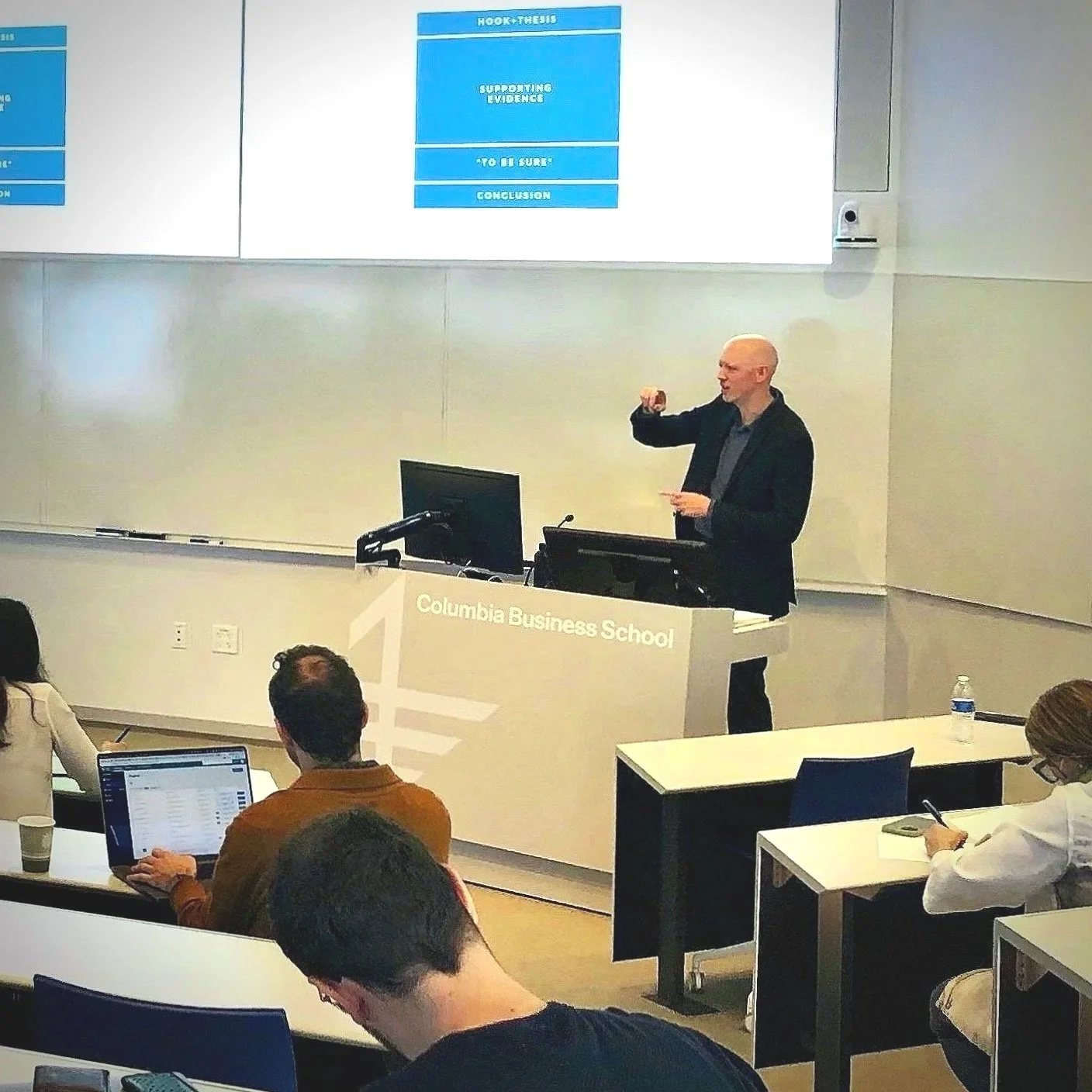
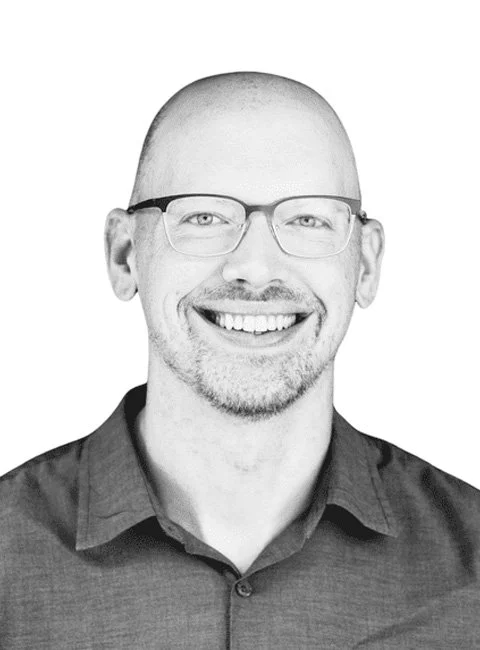
Paul Martin Jensen has spent more than fifteen years placing bylines for other people. He’s collaborated with leading institutions like Columbia Business School, the World Health Organization, McKinsey, and worked alongside Fortune Global 500 CEOs, and Nobel laureates for earned placements, never paid ones, in the New York Times, The Guardian, Financial Times, Wall Street Journal, Washington Post, Reuters, CNN, Forbes, and more than 20 other outlets across the US, UK, EU, Africa, and Asia.
Paul specializes in positioning experts as thought leaders and building systems for increasing their impact.
He is teaching the method he uses, unedited, including the parts that are unglamorous. His most recent placement took four months from idea to print and was declined or ignored for fifty-two days first.
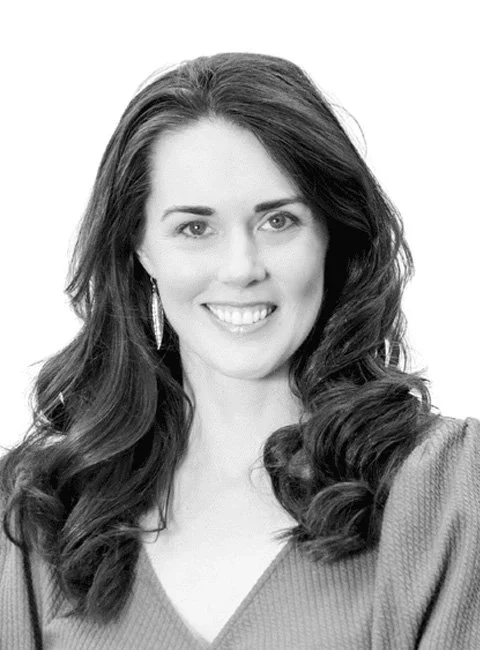
Carolyn Barnwell
Co-Founder and Chief Growth Officer, Etalia
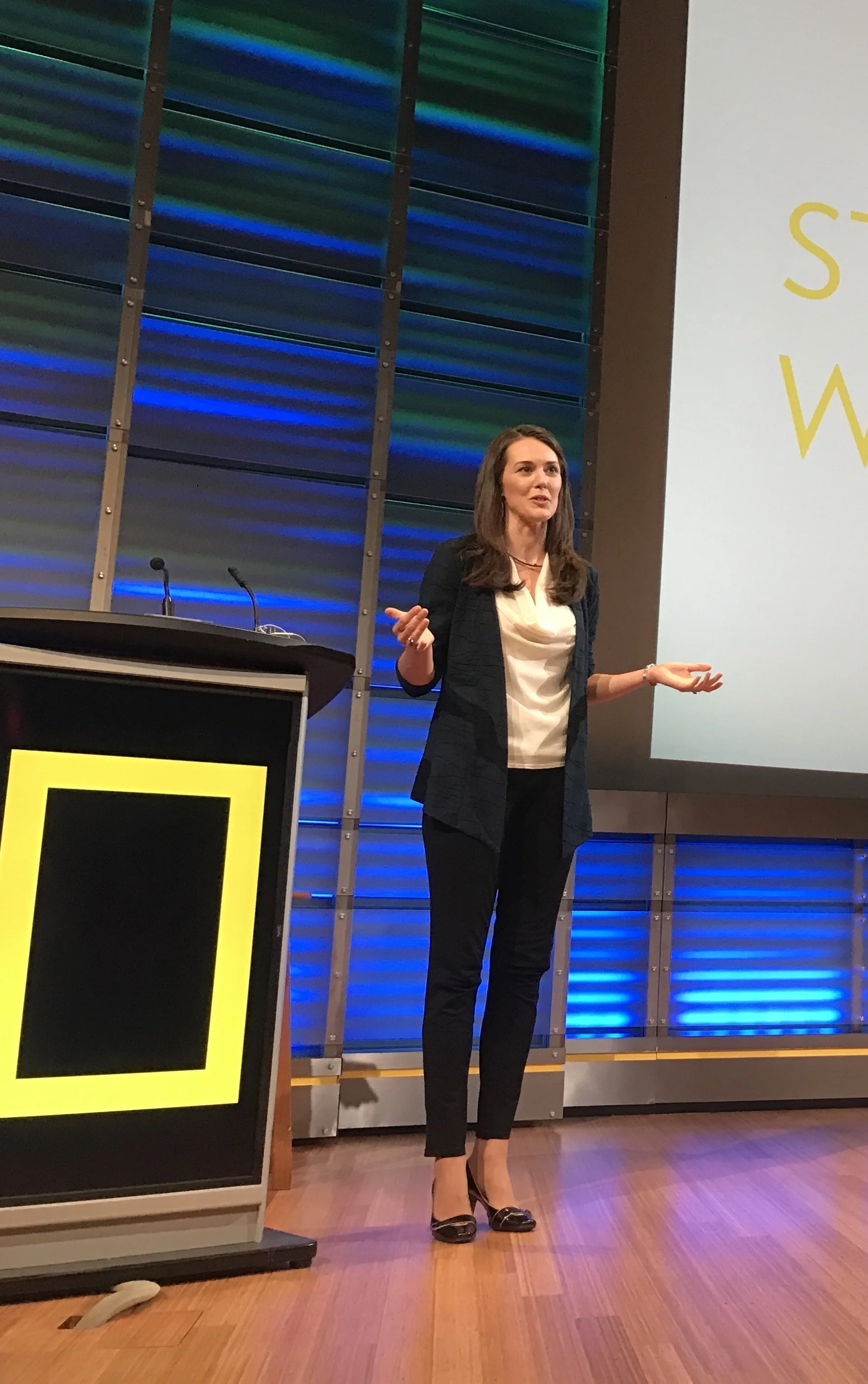
Carolyn Barnwell spent twelve years at National Geographic, six on staff and six on project work for the Impact Media team, where she created its first digital series featuring scientists and explorers. She trained researchers around the world in public communication through the Sciencetelling™ Bootcamp. She was later Head of Production at the impact storytelling agency GROUND in Washington, D.C.
Carolyn is a trained leadership coach and TRE® (Tension and Trauma Releasing Exercises) provider, has spent ten years preparing experts to go on camera, and now works with clients on stress resilience as their visibility grows. Her methodology is based on the idea of inner strength and clarity as foundational for real-world results.
Who this is for
Authors with a finished or nearly finished nonfiction book who have something specific to argue and haven't yet argued it in a strategic placement.
People who value reputation and credibility. It is not a class on building a following. If your plan is volume, this is the wrong room. One placement in a major outlet will do more for your credibility in AI search than a year of posting on social, and it will keep doing it, because it stays indexed and retrievable long after a post has scrolled away.
You’ll leave with
One submission-ready op-ed drawn from your book
A pitch strategy with named outlets
A plan for the six months after publication
A stress “first-aid kit” of practical tools to help you break through the inevitable resistance and stress of publicly sharing your opinion
Hiring a PR firm to ghostwrite a single op-ed can run $25,000 or more for the outlets worth having. Many firms won't touch op-eds, saying it’s too hard.
Our own clients pay up to $55,000 for a single op-ed when we research, write and place it for them. This program teaches you the process and gives you a submission-ready piece and a pitch strategy, but you do the pitching, and placement depends on your idea and the news cycle.
This group also gives you something more valuable than a ghostwriter: the ability to generate, pitch, and place your own op-eds — with expert editorial coaching at every step from Paul, who has placed every client op-ed he’s taken on over the last ten years. Carolyn will get you ready to send it, and you leave with a publishable piece, a repeatable process, and a voice that no agency or AI can replicate.
The investment: $5,000
The option for two installment payments of $2,750 is also available.
We start [DATE]