


Insights

Writing isn't communicating. Publishing is communicating.
Five field-tested keys to pitching and publishing Op-Eds, built on an opinion media strategy that treats persistence and timing as seriously as the writing.

We published an Op-Ed in STAT last week. Here's how we did it.
How one health-tech CEO landed an Op-Ed in STAT after seven rejections and why a modular Op-Ed strategy for CEOs matters more than the writing itself.

How Do You Structure an Op-Ed for Major Media?
Once you know how to structure an Op-Ed, and understand how to write within the constraints that structure creates, you’re well on your way to successfully using Op-Eds, whether your goals are science communication, executive thought leadership strategy, or influencing policy and practice.

The ABT Framework: Storytelling Tool for Strategic Science Communication
Storytelling Tool for Strategic Science Communication

How Do I Write an Op-Ed That Will Get Published in Major Media?
A proven Op-Ed strategy for CEOs and scientific leaders. From finding a worthy opinion to pitching persistently until your piece is placed.

How to Build a 12-Month CEO Op-Ed Calendar That Actually Gets Published: A Strategy
At Etalia, we work with leaders in health, science, and technology to build the communication infrastructure that turns expertise into lasting influence. If you are ready to move from one-off placements to a system that builds credibility over time, we would be glad to think through it with you.

Why Every Scientist Needs an Op-Ed Strategy
Op-eds are the most direct bridge between scientific expertise and the people making policy decisions and setting research budgets. For leaders serious about strategic science communication, building an op-ed strategy is one of the clearest expressions of executive thought leadership strategy in practice.
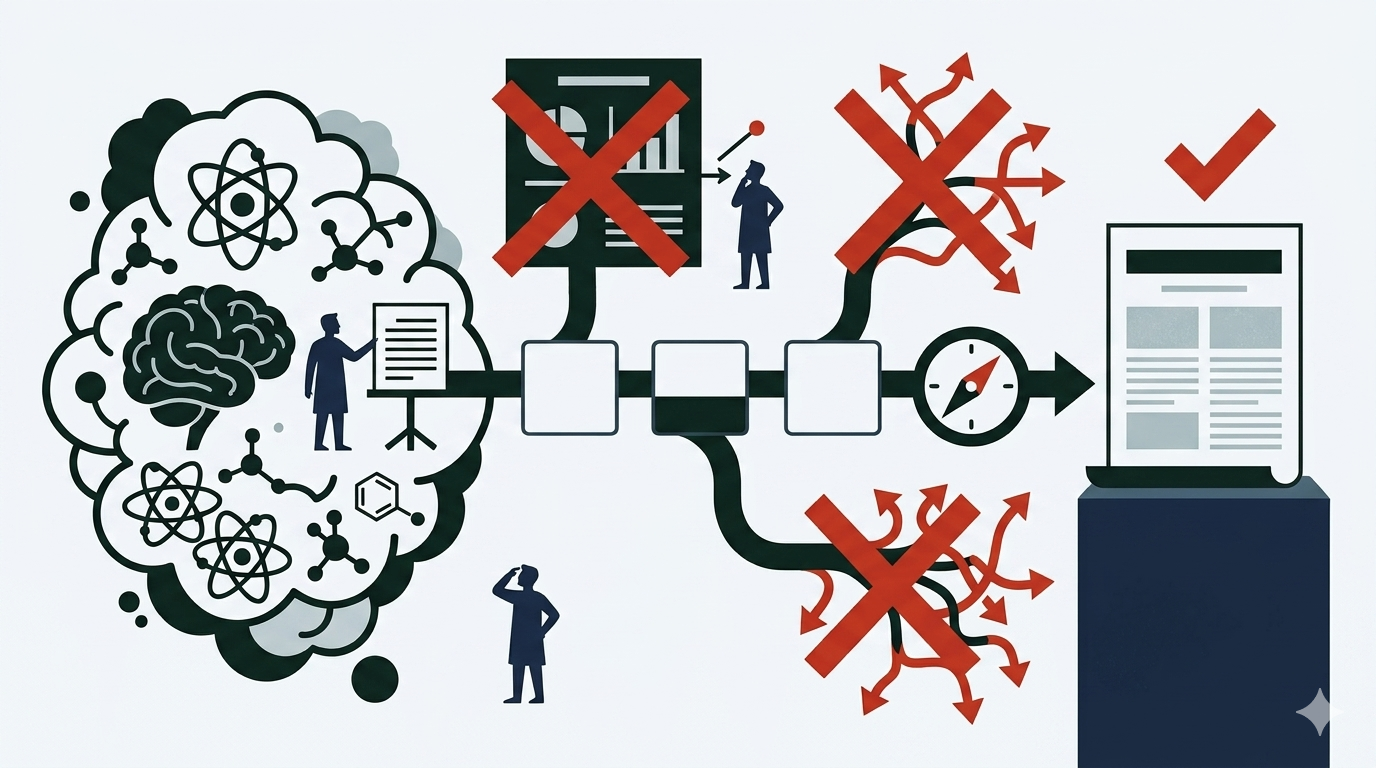
Busting 14 Common Myths about Op-Eds
Op-Eds have become more valuable than ever in the era of AI search, yet many leaders still fall prey to critical misconceptions about how opinion media works. Here are the 14 most common myths we see when working with CEOs and scientific leaders on building a powerful executive thought leadership strategy.

Are You Being as Brave as You Want to Be?
Looking back a decade, the moments that shaped everything weren't the biggest opportunities or the boldest moves — they were the ones where she stopped hiding and said what she actually thought. That single shift changed what came next.
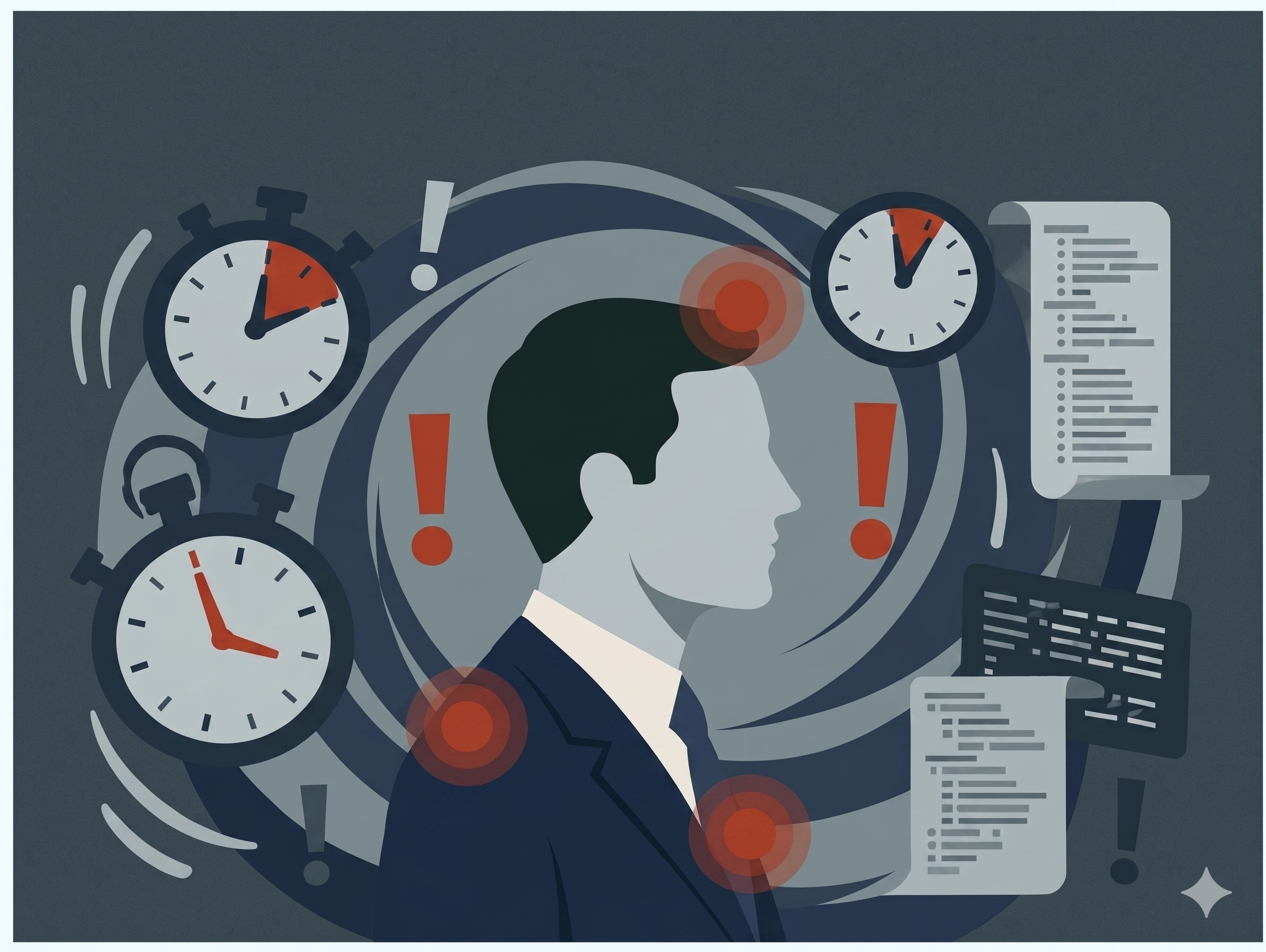
When It Matters Most: Mastering Executive Performance Under Pressure
Mastering executive performance under pressure is not simply about endurance. It requires a deliberate combination of mindset, skill, and preparation.

Crafting a Winning Opinion Media Strategy for Your Brand
An opinion media strategy is a structured approach that enables organizations to share expert perspectives through influential media platforms.

How to Turn Expertise into Influence with Smart Thought Leadership
Researchers, public health leaders, and institutional executives often assume that strong data will naturally lead to recognition and policy impact.

How Science Executives Can Communicate in Chaotic Times
Op-Eds are immensely valuable tools for any science executive who needs to build relationships, deliver for their people, and help others navigate a shifting landscape. Here are just three ways they can do that.

Seeing Science’s Communication Problem
Scientific organizations work at the cutting edge. Their research is elegant and purposeful, creating innovations that are the closest thing to miraculous in our material world.
But there’s a massive gap between how most scientific organizations conduct science and how they communicate.
That’s a major problem.

Want to write an Op-Ed about your research? Avoid these 8 common mistakes
Op-Eds are one of the single most powerful tools for translating research into real-world impact.
Conceptually, they’re quite simple: Pick an argument, make sure it’s interesting and timely, gather the most compelling evidence you’ve got to support it, and write it up in about 750 words.

The Power of Radical Listening
To be sure, global health institutions possess an immense trove of critical knowledge and capabilities. But they don’t typically have intimate knowledge of how environmental, social, and cultural factors impact people’s health at the community level, where all implementation happens.
This is where Radical Listening comes in.

New HHS rules can’t address the primary reason for research misconduct
Publishing output is a dominant factor in researchers’ day-to-day livelihoods, affecting their ability to gain and retain employment, qualify for promotion, and attract the funding to carry out their work. “Publish or perish” culture has become entrenched—so much so that software marketed to help researchers present their best case for tenure or promotion is called, literally, Publish or Perish.